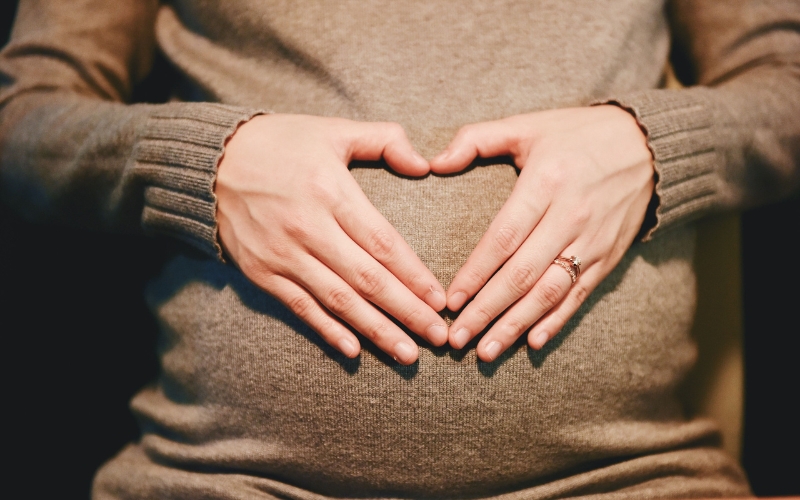
In a country as vast and diverse as India, ensuring access to quality healthcare for all remains one of the nation’s biggest challenges — especially when it comes to maternal and child health. Despite significant progress over the years, India still accounts for a high percentage of global maternal and infant mortality rates. The need for systemic, sustainable, and inclusive healthcare solutions has never been more urgent.
Understanding the Challenge
Maternal and child health isn’t just a medical issue — it’s deeply tied to education, nutrition, sanitation, and social equity. Many women, especially in rural or underserved communities, still face barriers like:
-
Lack of access to antenatal and postnatal care
-
Poor nutrition during pregnancy
-
Unsafe childbirth conditions
-
Limited awareness of newborn care
-
Inadequate family planning resources
These challenges often lead to preventable complications during pregnancy and childbirth, affecting both mothers and newborns.
Where We’re Making Progress
India has seen commendable improvements in healthcare indicators, thanks to initiatives like:
-
Janani Suraksha Yojana (JSY) – providing financial assistance for institutional deliveries
-
Pradhan Mantri Surakshit Matritva Abhiyan (PMSMA) – offering free antenatal check-ups
-
Mission Indradhanush – focusing on full immunization for children and pregnant women
Yet, challenges persist. For these programs to work effectively, they must be supported by grassroots awareness campaigns, trained health workers, and accessible healthcare infrastructure — especially in rural India.
CEDS and the Power of Community-Led Solutions
At CEDS, maternal and child health is one of our key focus areas. Our approach goes beyond offering healthcare — we aim to create awareness, education, and community involvement.
We believe in:
-
Conducting health camps and workshops
-
Training local women as health advocates
-
Partnering with government schemes for maximum reach
-
Encouraging men and families to take part in maternal health awareness
-
Promoting safe, hygienic, and respectful birthing practices
By systemically building solutions, not just offering temporary aid, we aim to empower communities to take ownership of their health journeys.
Why It Matters: The Ripple Effect
Investing in maternal and child health has a long-term impact:
-
Healthier mothers mean healthier families.
-
Early intervention prevents long-term complications.
-
Educated mothers are more likely to seek care for their children.
-
Healthy children grow up to be better learners and contributors to society.
In short, healthy mothers and children are the foundation of a thriving nation.
The Road Ahead
The future depends on what we do today. Combating maternal and child health issues in India isn’t just a healthcare priority — it’s a human rights mission. We need:
-
Stronger public-private partnerships
-
Continued investment in rural healthcare
-
Scalable technology-based solutions
-
Gender-sensitive, inclusive healthcare practices
Conclusion: A Collective Commitment
Building a healthier tomorrow begins with caring for our mothers and children today. It requires action — from individuals, communities, organizations, and policymakers. At CEDS, we are committed to being part of this journey.
Together, we can ensure that every mother receives the care she deserves, and every child gets the opportunity to thrive.
Comments are closed.